The Great Dolphin Migration
A Story beneath the waves!
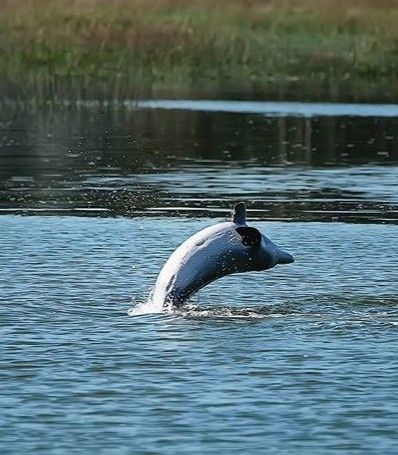
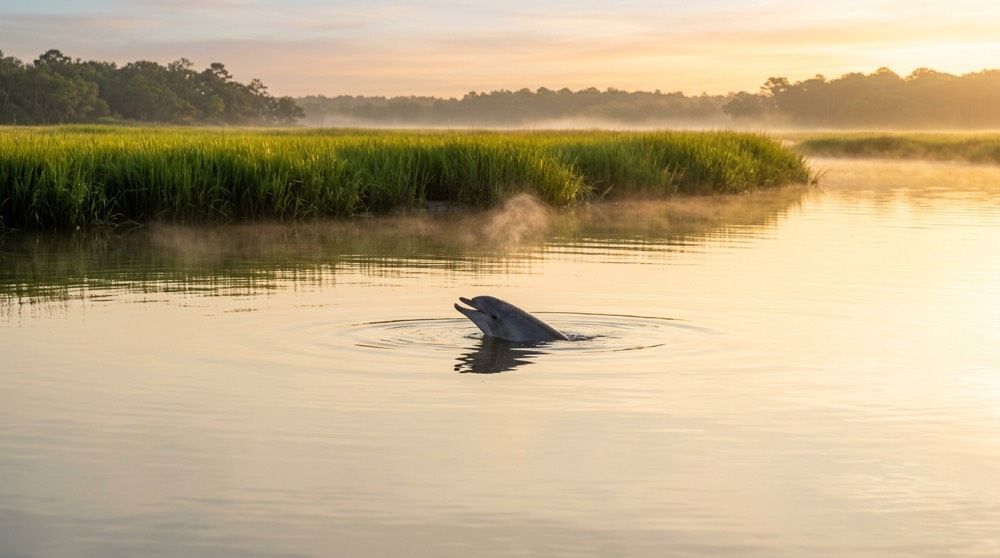
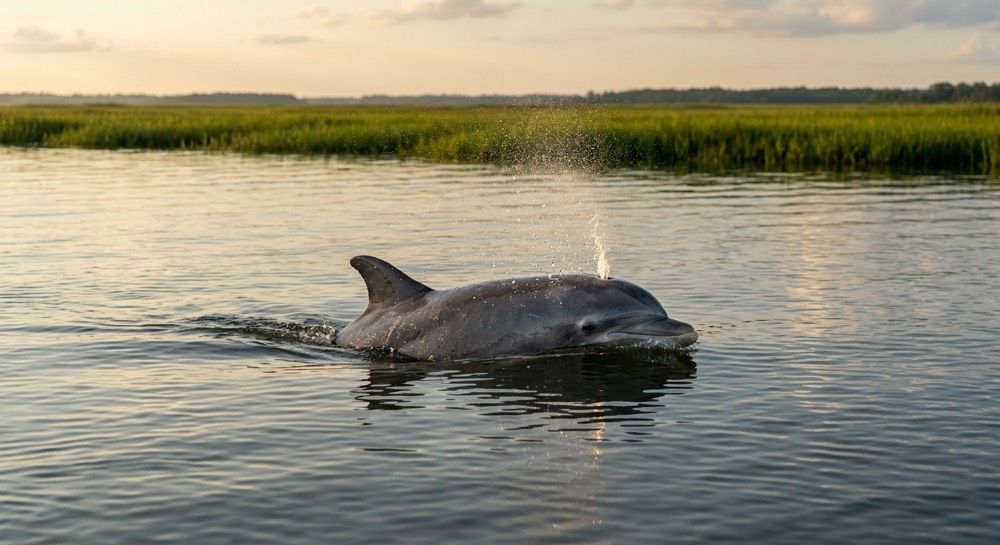
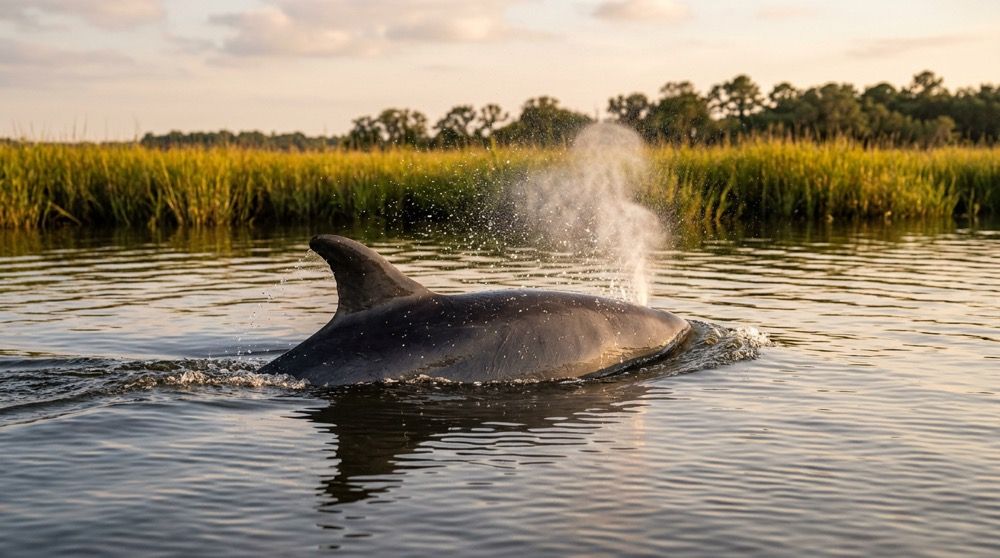
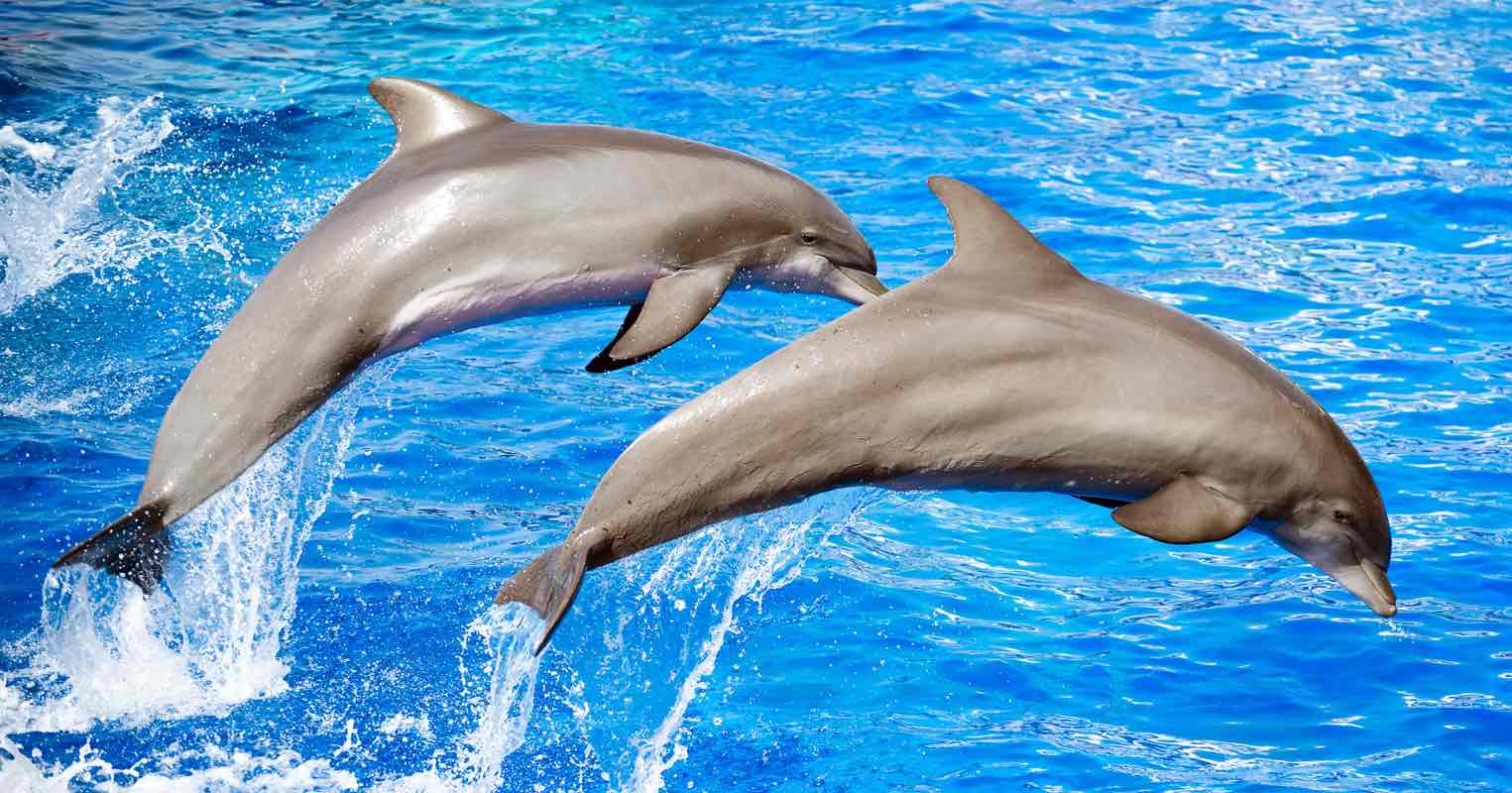
The bottlenose dolphin (scientific name: Tursiops truncatus) is one of the most recognizable marine mammals in the world. Known for their intelligence and playful behavior, these dolphins can be found in warm and temperate oceans across the globe. One of the most fascinating aspects of their lives is their migration behavior, which is influenced by water temperature, food availability, and breeding needs.
Unlike some whale species that travel thousands of miles each year, bottlenose dolphins do not always follow strict migration routes. Many populations are considered “resident,” meaning they remain in the same coastal area year-round. Others are “migratory” and move seasonally between regions. Along the Atlantic coast of the United States, for example, some bottlenose dolphins travel south during colder months and return north when temperatures rise in spring and summer.
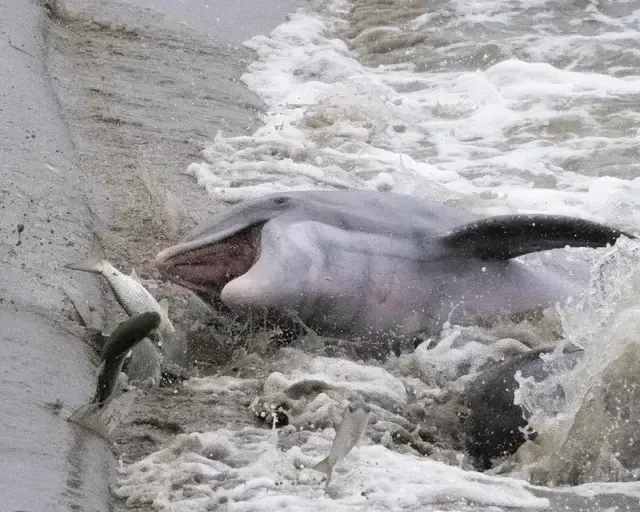
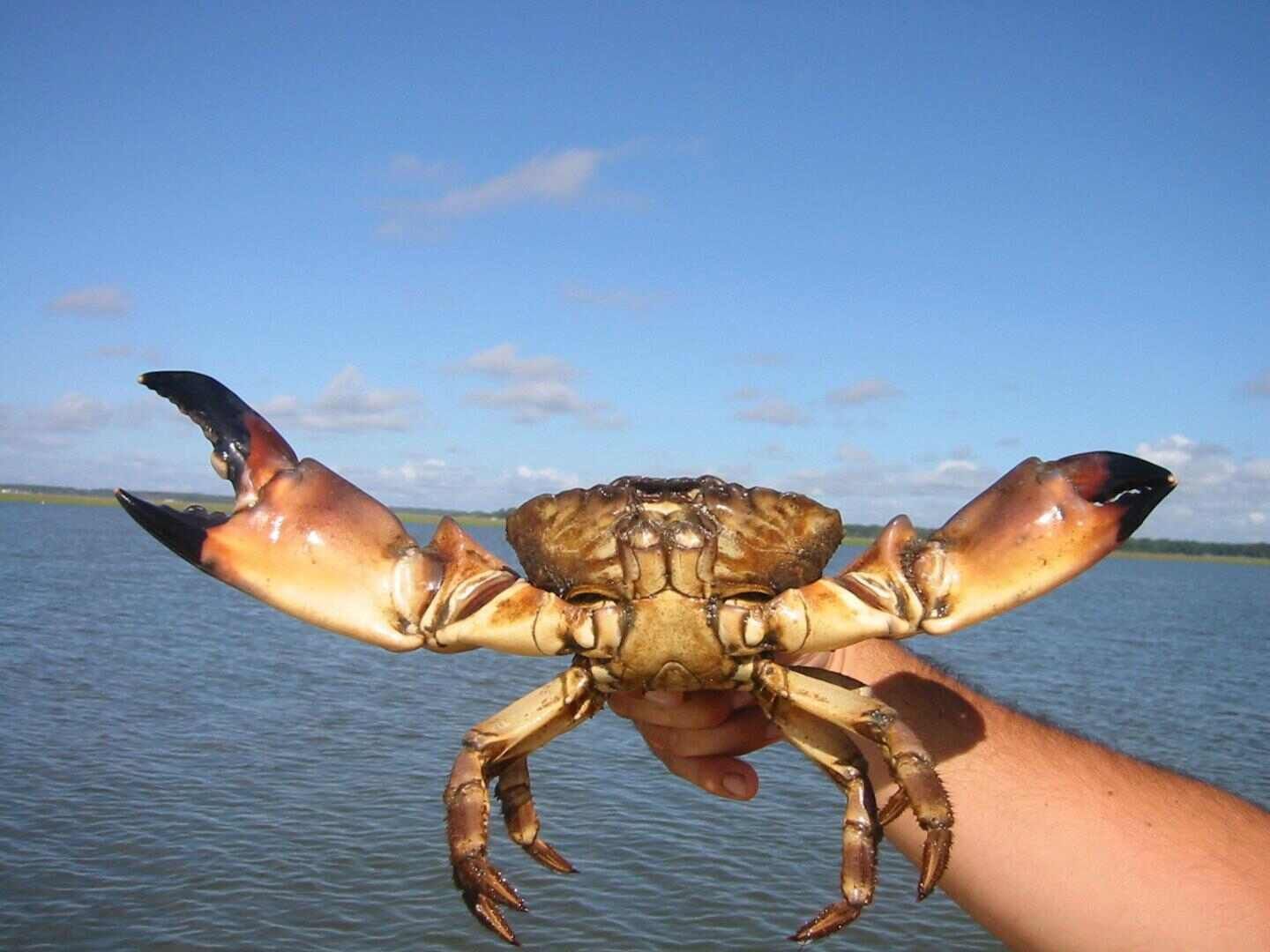
Food is a major factor behind these movements. Bottlenose dolphins feed on fish, squid, and crustaceans, often following schools of prey as ocean conditions change. Water temperature also plays a key role because dolphins prefer environments that support abundant marine life. In colder seasons, migrating dolphins often seek warmer coastal waters where feeding conditions are more favorable.
Scientists study dolphin migration using satellite tags, photo identification, and acoustic monitoring. These methods help researchers understand population health, habitat use, and the effects of climate change. Rising ocean temperatures and increased human activity may alter traditional migration patterns, making long-term research increasingly important.
Migration is not only essential for survival but also for maintaining healthy ecosystems. As top predators, bottlenose dolphins help balance marine food webs. Their seasonal movements connect different coastal habitats and provide valuable insight into the changing health of the oceans.
Understanding bottlenose dolphin migration patterns allows researchers and conservationists to better protect these remarkable animals and the environments they depend on. Join us today to learn so much more about dolphins and our local ecosystems!